
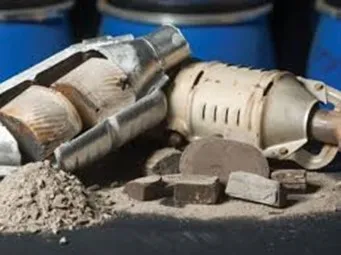
People who want to recycle catalytic converters for cash often begin by searching for a convenient recycling center. A local facility can make the process easier because sellers may have straightforward drop-off or collection options. However, convenience should be considered alongside the buyer’s evaluation method and payment terms. Catalytic converters can contain valuable precious metals, so their value is not always reflected by simple weight. Before selling, sellers should identify the unit and ask how the center determines its offer so the final comparison is based on useful information. This gives sellers a clearer starting point before requesting a quote.
Why Converter Identification Matters
A recycling center needs to know what type of converter it is receiving before it can provide a meaningful valuation. Manufacturer codes, serial numbers, photographs, and vehicle information can help identify the unit. Different converter models may contain different quantities of platinum, palladium, and rhodium, which means two similar-looking units can have different recycling values. Providing accurate information early can reduce uncertainty and help the buyer prepare a more relevant quote. Sellers should keep visible markings intact and photograph them clearly before requesting offers from local businesses. Those details can make an initial valuation considerably more useful.
Finding Recycling Centers Nearby
A search for catalytic converter recycling near me can produce general scrap yards, specialist recyclers, collection services, and dedicated processing businesses. Sellers should compare what each location actually does with the material after purchase. Some businesses may collect converters and pass them to another processor, while others may work directly with specialist facilities. Neither model should be judged only by its name. Asking where the material goes, how it is evaluated, and when payment is made can give sellers a much clearer understanding of the service. The goal is to find a suitable service, not simply the closest address.
Ask About Testing and Fees
Before accepting a local offer, ask whether the converter will be visually identified, tested, or evaluated through another method. Find out whether the quoted amount can change after inspection and whether any processing, transportation, or collection costs are deducted. These questions are particularly useful when comparing several recycling centers because different businesses may advertise prices using different assumptions. A transparent buyer should explain the main conditions before the converter is handed over. Knowing these details in advance can prevent a seller from confusing an initial estimate with the final payment. Knowing the rules early keeps the final payment easier to understand.
Compare Local Offers
Local recycling does not mean sellers should accept the first nearby offer. Contacting two or three suitable buyers can provide a better idea of the current market for the specific converter. Give each business the same photographs and identification information so the quotations are comparable. Record the amount offered, payment timing, collection arrangements, and any stated deductions. This process does not need to take long. A few consistent questions can reveal whether one buyer offers genuine value or simply appears attractive because its advertising uses a higher starting number. Consistent information makes the resulting comparison much more meaningful.
Consider Convenience and Value
A nearby recycling center can save time and transport costs, which may have real value. Another buyer farther away might offer collection or a stronger valuation that changes the overall calculation. Sellers should consider the amount they will actually receive after any agreed costs. Convenience, payment speed, documentation, and communication also matter. A slightly different price may be reasonable when one service provides easier collection or clearer processing information. Looking at the entire transaction helps sellers choose a recycling option that fits their needs rather than chasing one number. The best option is often the one with the clearest total value.
Prepare the Converter Properly
Good preparation can make a local recycling transaction much smoother. Take clear photographs, note all visible codes, gather vehicle details when available, and keep relevant ownership records. Avoid changing or removing identifying information before the buyer has reviewed it. When contacting multiple centers, send the same details to each one. This gives them a consistent basis for valuation and reduces repeated questions. Sellers should also keep records of quotations and final terms. Organized information can save time and make it easier to recognize meaningful differences between competing recycling services. Preparation also helps avoid delays when the converter reaches the facility.
Conclusion
To recycle catalytic converters for cash effectively, sellers should combine local convenience with careful buyer comparison. A nearby recycling center can be practical, but the valuation method, payment terms, testing rules, and possible deductions still deserve attention. Gndrefiners.com can be another resource to review while researching professional catalytic converter recycling and processing options. Identify the converter accurately, request current offers from suitable buyers, and ask what happens after the unit is received. A little preparation can make the recycling process clearer and easier to manage. That balance can make local recycling both practical and worthwhile.