

Choosing a garage floor is not only about finding an attractive finish. The surface needs to cope with vehicles, foot traffic, tools, dirt, moisture, and regular cleaning. Epoxy and resin-based systems are both popular choices, but they can differ in appearance, installation requirements, performance, and suitability for different garages. Understanding these differences can make the decision easier and help homeowners choose a flooring system that matches how their space is actually used.
Understanding Epoxy Flooring
An epoxy garage floor is created by applying an epoxy-based coating or system over a properly prepared concrete surface. The material bonds with the floor and creates a hard, finished surface that can improve both appearance and practicality.
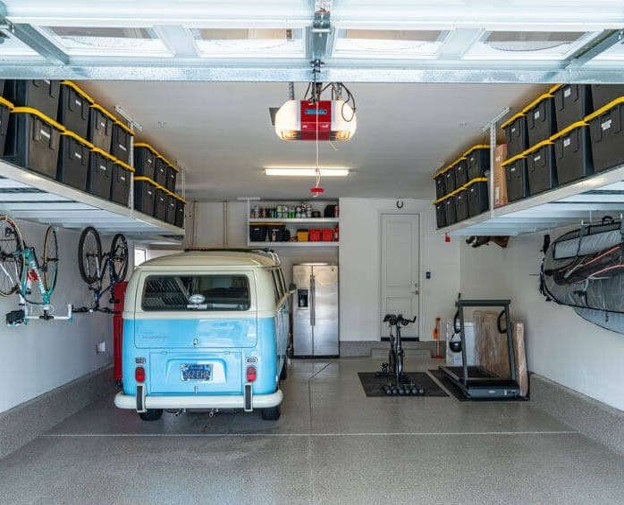
Epoxy systems are available in different colours, finishes, and decorative styles. Flake finishes are especially useful when homeowners want a more textured appearance that can also make everyday dirt less noticeable. Depending on the system selected, epoxy flooring can provide a smooth and organised look without requiring major changes to the existing garage.
However, the quality of the finished floor depends heavily on preparation. Concrete needs to be clean, sound, and properly prepared before coating. Existing contaminants, damaged areas, or moisture concerns should be considered before installation begins.
What Is Resin Flooring?
Garage resin flooring is a broad term often used for resin-based flooring systems designed to create a durable finished surface over concrete. Different resin technologies can provide different characteristics, so it is important to understand the particular system being proposed rather than treating every resin floor as identical.
Resin flooring can be designed with various colours, textures, and decorative finishes. This gives homeowners flexibility when they want a garage to feel more like an organised extension of their home rather than a purely functional storage area.
The installation process can also vary according to the product and floor condition. Professional assessment is therefore useful when determining which system is appropriate for a particular garage.
Compare Durability Requirements
A garage floor needs to withstand the activities taking place above it. Vehicles create repeated traffic, while jacks, storage equipment, bicycles, tools, and workshop activities can introduce additional demands.
When comparing epoxy and resin systems, consider the expected level of use instead of relying only on general claims about durability. A garage used mainly for parking may require a different specification from a workshop where heavy equipment and frequent movement are common.
The concrete beneath the finish also matters. A high-quality coating cannot completely compensate for poor preparation or underlying problems.
Consider Moisture and Preparation
Concrete preparation deserves close attention when comparing flooring systems. Dust, grease, oil, old coatings, cracks, and moisture can interfere with installation. These issues should be identified before selecting a final finish.
Moisture is particularly important because garages can experience changing temperatures and humidity. A professional installer can assess the concrete and recommend appropriate preparation before applying the flooring system.
This preparation stage may not be the most visible part of the project, but it can have a major influence on how the finished surface performs over time.
Look at Appearance and Maintenance
Appearance is another area where homeowners often have different priorities. Some prefer a simple solid colour, while others want decorative flakes or a more distinctive finish.
Maintenance should be considered alongside appearance. A garage floor that is easy to sweep and clean can make the entire space easier to manage. Think about the types of dirt, mud, water, and spills that normally occur in the garage before selecting a finish.
It can also help to ask about recommended cleaning methods and whether particular household or automotive products should be avoided.
Think About Installation and Use
The right flooring system is not necessarily the one with the most impressive specifications. It should match the garage’s practical requirements, available preparation conditions, and intended use.
Ask potential installers about surface preparation, product layers, curing requirements, expected installation time, and aftercare. These questions can provide a clearer understanding of what the project involves.
It is also worth considering how quickly the garage needs to return to normal use. Different systems and installation conditions may have different curing or waiting requirements.
Which Flooring Fits Your Garage?
Epoxy and resin flooring can both provide attractive solutions for garages, but the best choice depends on the individual project. Consider concrete condition, vehicle traffic, workshop use, moisture, maintenance, appearance, and installation requirements before making a decision.
Rather than choosing based solely on the name of a flooring material, compare the complete system being offered. Preparation, product quality, application method, and suitability for the garage can all influence the final result.
Conclusion
Choosing between epoxy and resin flooring becomes easier when the decision is based on the actual needs of your garage. Think about how often the floor will be used, the condition of the concrete, expected vehicle and workshop traffic, moisture exposure, cleaning requirements, and preferred appearance. Professional preparation should also remain an important part of the discussion because the finished surface depends on the condition underneath. If you are considering a new garage floor and want to explore suitable options, garageupgrade.co.uk can help you take the next step toward finding a flooring system that fits your space.