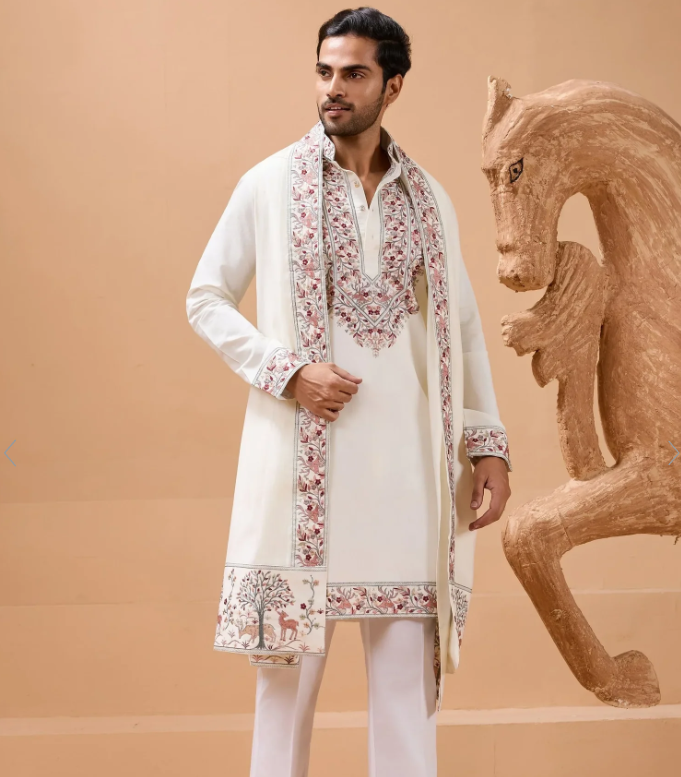

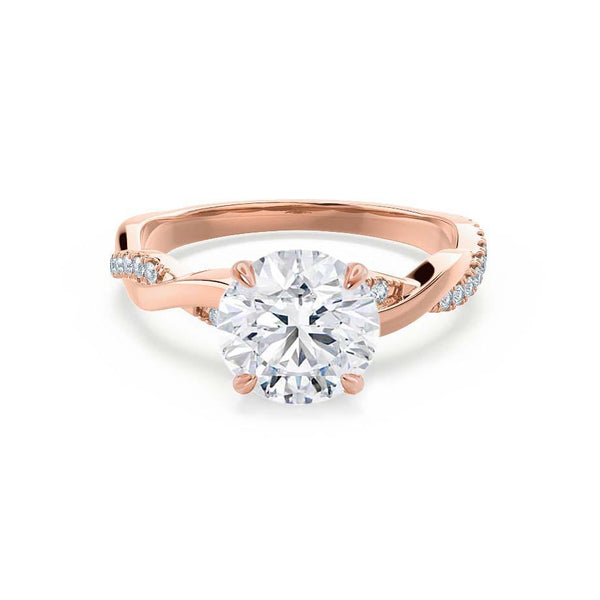
The growing popularity of meaningful, slow-fashion pieces has reshaped the way many consumers approach their wardrobes, and brands such as lily arkwright are often referenced when people discuss more intentional choices in style. As shoppers become increasingly aware of the environmental and ethical impacts of fast fashion, they are turning toward clothing and accessories that reflect personal values, longevity, and mindful consumption. This shift signals more than a trend. It represents a cultural change in how fashion is appreciated and purchased.
For years, the fashion industry has been driven by rapid turnover, low cost, and constant novelty. While this model offered easy access to new styles, it also contributed to waste, overproduction, and a disconnect between buyers and the stories behind their garments. Slow fashion challenges this cycle by encouraging consumers to buy fewer items, choose higher quality, and invest in pieces that last. This approach emphasizes thoughtful design, responsible production, and materials chosen for durability instead of disposability.
One of the main reasons behind the rising interest in slow fashion is an increased awareness of environmental impact. More people understand that low-cost clothing often comes with a high ecological price. Manufacturing shortcuts, chemical treatments, and unsustainable fibers have contributed to pollution and resource depletion. Slow-fashion brands respond by using eco-friendly materials, prioritizing ethical practices, and being transparent about their supply chains. This transparency builds trust and allows consumers to feel confident that their purchases align with their principles.
Beyond sustainability, people are becoming more interested in the meaning and craftsmanship behind what they wear. Slow-fashion pieces often highlight artisan skills, careful construction, and timeless aesthetics. Instead of following fleeting trends, these designs focus on versatility and personal expression. Many consumers enjoy knowing that their clothing supports skilled makers or small-scale production rather than mass-market factories. This growing appreciation for craftsmanship lends emotional value to each piece, making wardrobes feel more curated and connected.
Another factor influencing the popularity of slow fashion is the cultural shift toward minimalism and mindful living. As individuals streamline their spaces and adopt intentional habits, clothing naturally becomes part of that process. A carefully selected wardrobe of long-lasting, meaningful items creates a sense of clarity and reduces the stress of constant buying. Slow fashion encourages people to see their garments not as disposable goods but as investments that contribute to a more thoughtful lifestyle.
Social media has also played an important role in spreading awareness. Platforms that once fueled fast-fashion hauls now showcase creators who champion garment care, clothing repair, and styling the same pieces in multiple ways. This content inspires audiences to value longevity and creativity rather than constant consumption. The conversation around fashion has shifted from newness to purpose, reinforcing the idea that style does not require endless purchases.
Ultimately, the growing popularity of meaningful, slow-fashion pieces reflects a desire for connection, sustainability, and authenticity. Consumers are redefining what it means to dress well, choosing items that stand for quality and intention rather than speed and excess. As slow fashion continues to gain momentum, it is likely to influence mainstream trends, encouraging the industry to adopt practices that honor both people and the planet. In embracing this mindful approach, shoppers contribute to a fashion landscape that celebrates depth, durability, and genuine personal style.