

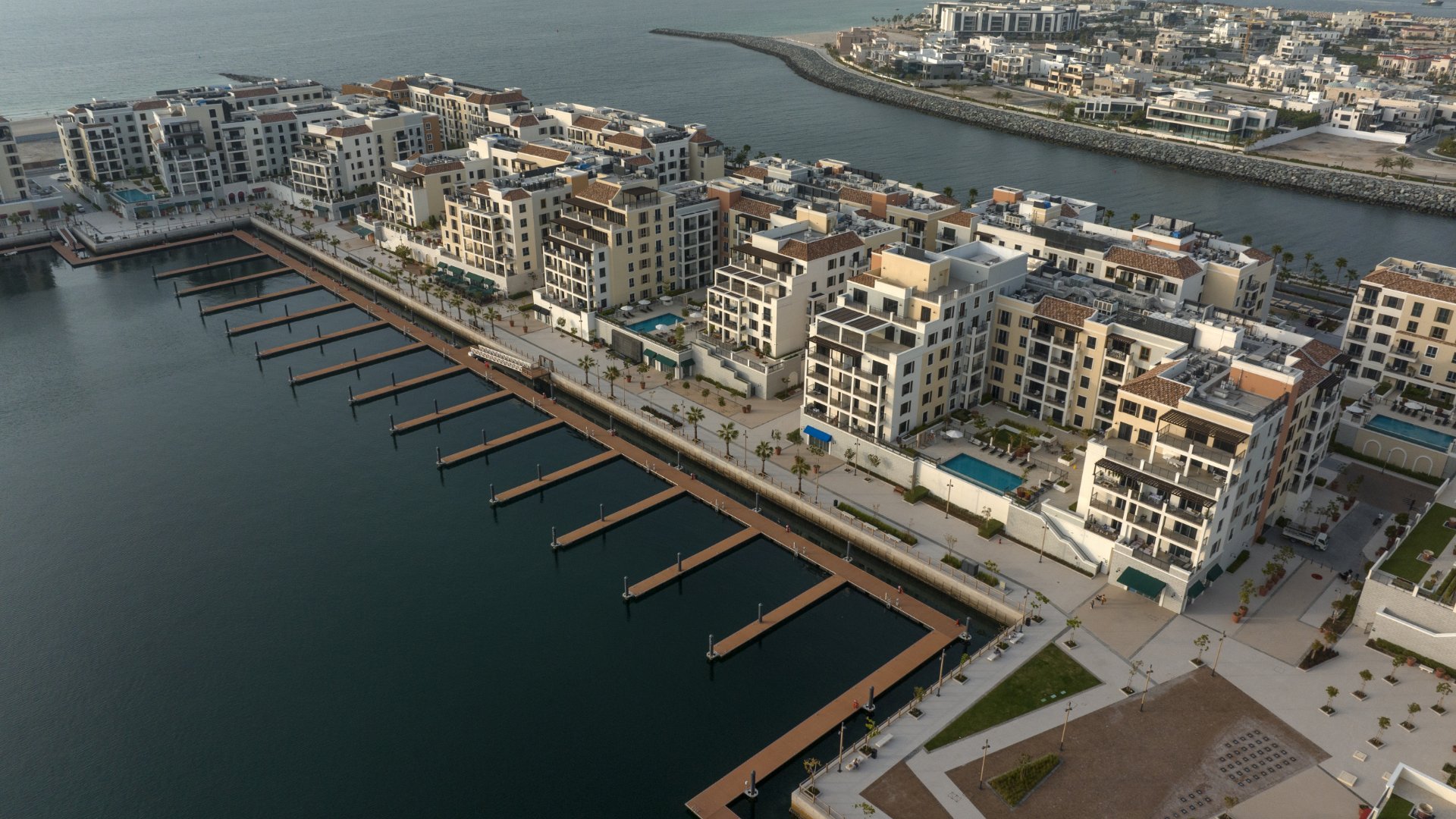
Dubai’s skyline has evolved dramatically over the past two decades, with new residential communities continually reshaping the city’s landscape. While established neighbourhoods remain highly sought after, many buyers are increasingly turning their attention to emerging master-planned developments that promise modern infrastructure, waterfront living, and long-term growth potential.
Evaluating property in a newer community, however, requires a different approach from assessing homes in long-established locations. Buyers cannot rely solely on historical sales data or years of market performance. Instead, they must consider a broader range of factors, including future infrastructure, community planning, developer reputation, and the pace of surrounding development.
This is where property valuation becomes especially important. A thorough valuation helps buyers understand whether a property’s asking price reflects both its current attributes and its long-term potential.
Why Valuing Emerging Communities Is Different
Properties in mature neighbourhoods benefit from years of transaction history, making it easier to compare prices and identify market trends.
Emerging communities often have:
-
Fewer completed sales
-
Ongoing construction
-
New infrastructure projects
-
Expanding retail and lifestyle amenities
-
Future residential phases
As a result, valuers look beyond current market activity and assess how the community is expected to develop over time.
This forward-looking perspective helps provide a more balanced understanding of a property’s value.
Master Planning Plays a Major Role
One of the biggest strengths of newer developments is comprehensive master planning.
Rather than adding infrastructure gradually, many of Dubai’s modern communities are designed with long-term liveability in mind from the outset.
Features commonly included in master plans are:
-
Waterfront promenades
-
Public parks
-
Cycling and walking trails
-
Schools and nurseries
-
Healthcare facilities
-
Retail centres
-
Community spaces
-
Public transport connectivity
Communities built around these principles often attract stronger long-term demand because they offer more than simply residential buildings.
Infrastructure Influences Future Value
Infrastructure investment is one of the strongest indicators of a community’s long-term prospects.
Buyers should evaluate planned or completed improvements such as:
-
Road expansions
-
Metro connectivity
-
Public transport access
-
Retail developments
-
Hospitality projects
-
Public waterfront spaces
Well-connected communities generally become more attractive as infrastructure matures.
These improvements can significantly influence property values over time.
Developer Reputation Matters
In emerging communities, the developer’s reputation carries considerable weight.
Established developers often have proven records for:
-
Construction quality
-
Project delivery
-
Community management
-
Long-term maintenance
-
Infrastructure completion
Buyers frequently view experienced developers as lower-risk because they have demonstrated their ability to deliver large-scale residential projects successfully.
Developer credibility therefore becomes an important component of property valuation.
Lifestyle Appeal Supports Long-Term Demand
Modern buyers increasingly evaluate communities based on lifestyle rather than location alone.
Features that enhance residential appeal include:
-
Green open spaces
-
Waterfront access
-
Restaurants and cafés
-
Outdoor recreation
-
Fitness facilities
-
Family-friendly amenities
-
Walkability
Communities offering a balanced lifestyle often attract both owner-occupiers and investors, strengthening long-term market demand.
Limited Waterfront Supply Creates Scarcity
Waterfront property remains one of the most desirable segments of Dubai’s residential market.
Unlike inland developments, waterfront land is naturally limited.
This scarcity often supports stronger long-term value because opportunities for comparable developments are restricted.
Even within emerging communities, apartments with direct water views or premium waterfront positions typically command greater buyer interest than similar inland properties.
Comparable Sales Still Matter
Although emerging communities have shorter sales histories, comparable market evidence remains essential.
Valuers examine:
-
Recently completed transactions
-
Similar apartment layouts
-
Comparable buildings
-
Current market demand
-
Pricing trends in nearby communities
This information helps establish realistic valuation ranges while accounting for the area’s stage of development.
Community Amenities Add Real Value
Today’s residential buyers expect more than quality apartments.
Neighbourhood amenities increasingly influence purchasing decisions.
Highly valued features include:
-
Swimming pools
-
Fitness centres
-
Children’s play areas
-
Landscaped gardens
-
Community retail
-
Co-working spaces
-
Waterfront leisure facilities
The quality and accessibility of these amenities contribute to both resident satisfaction and long-term property appeal.
Sustainability Is Becoming Part of Property Value
Environmental performance is playing a larger role in residential decision-making.
Many newer communities incorporate:
-
Energy-efficient buildings
-
Sustainable landscaping
-
Water conservation measures
-
Smart technology
-
Green public spaces
As buyers place greater emphasis on sustainability, these features are becoming increasingly relevant during the valuation process.
Dubai Creek Harbour: A Modern Waterfront Community
Dubai Creek Harbour is an example of how master planning, waterfront living, and future infrastructure can combine to create long-term residential appeal.
The community has been designed around:
-
Extensive waterfront access
-
Public promenades
-
Parks and open spaces
-
Retail and dining destinations
-
Modern residential architecture
-
Excellent connectivity
Its ongoing development highlights the importance of evaluating not only what exists today but also what the community is expected to become over the coming years.
For buyers considering newer waterfront locations, Dubai Creek Harbour illustrates how thoughtful planning can influence long-term property value.
Why Professional Property Valuation Is Worth Considering
While online listings and asking prices provide useful information, they do not always present the full picture.
A professional property valuation considers objective market evidence alongside factors such as location, infrastructure, building quality, and future development.
This broader assessment helps buyers:
-
Understand fair market value
-
Compare multiple opportunities
-
Reduce purchasing risk
-
Make more informed financial decisions
For those exploring Dubai Creek Harbour apartments for sale, understanding how these valuation factors interact can provide valuable context when comparing properties within this evolving waterfront destination.
Questions Buyers Should Ask
Before purchasing in an emerging community, buyers should consider:
-
How advanced is the surrounding infrastructure?
-
What future developments are planned?
-
Does the developer have a strong reputation?
-
How limited is future waterfront supply?
-
What amenities are already operational?
-
How does the asking price compare with similar properties?
-
Will the community remain attractive over the next decade?
These questions encourage buyers to evaluate long-term value rather than focusing solely on today’s pricing.
The Future of Emerging Waterfront Communities
Dubai continues investing heavily in new residential districts designed around sustainability, connectivity, and lifestyle.
As these communities mature, buyers can expect:
-
Improved infrastructure
-
Expanded retail offerings
-
Greater public amenities
-
Enhanced transport connections
-
Stronger community identity
These developments are likely to reinforce the appeal of thoughtfully planned waterfront neighbourhoods for both homeowners and investors.
Final Thoughts
Emerging waterfront communities represent an exciting chapter in Dubai’s evolving residential market.
While they may not yet have decades of market history, careful master planning, infrastructure investment, lifestyle amenities, and reputable development all contribute to their long-term potential.
Property valuation plays a crucial role in helping buyers assess these opportunities objectively, ensuring purchasing decisions are based on more than asking prices alone.
By understanding how current market conditions, future development, and community quality influence value, buyers can make confident decisions that support both their lifestyle aspirations and long-term investment goals.