

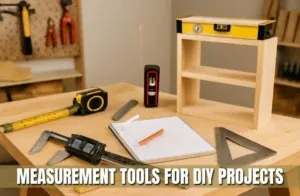
Measurements help people make better decisions when guessing would create unnecessary problems later. dimensionspath.com can help readers explore measurements, dimensions, unit conversions, size comparisons, length, width, height, weight, area, volume, and practical measurement methods. People measure rooms before buying furniture, ingredients before cooking, clothing before ordering online, and packages before arranging deliveries. Builders, designers, students, shop owners, and homeowners all depend on reliable measurements in different ways. The basic idea looks simple, but small mistakes can affect an entire project. Using the wrong starting point can change the final number, while forgetting the unit can make an otherwise correct result confusing. Measurements also depend on context because the outside size of an object may be different from its usable inside space. A room can have one floor area but several different wall lengths and openings. A package can have enough overall capacity while still being too narrow for the item inside. Good measurement therefore involves more than reading a ruler. It requires choosing the right tool, keeping units clear, checking the reference point, and understanding what the number represents. These habits become easier through ordinary practice because familiar objects provide constant opportunities to compare, estimate, measure, and verify. Practical measurement is not really about complicated mathematics for most daily tasks. It is about paying attention before writing the number down.
Check The Measuring Tool First
The measuring tool should be checked before any serious measurement begins because damaged or unsuitable equipment can create avoidable errors. A flexible tape works well for rooms, furniture, and curved surfaces, while a rigid ruler suits smaller straight objects more effectively. A kitchen scale is designed for mass, while a thermometer provides temperature readings through another kind of measurement. People sometimes use whatever tool happens to be nearby, which can produce poor results when the instrument does not match the task. The markings should also be readable because faded or damaged labels can make small divisions difficult to interpret. Some tools display two unit systems, which means the user needs to confirm which scale is being read. Digital tools create similar issues because the display may show different units depending on settings. Before measuring, it helps to check whether the tool starts exactly at zero or whether there is a small space before the first marking. That small gap can matter when measuring short objects. Tape measures should also retract and extend smoothly when they are designed for repeated use. Scales should remain on stable surfaces so unnecessary movement does not influence the reading. The tool itself does not need to be expensive before becoming useful. A simple, suitable, clearly marked instrument can provide excellent results when handled carefully. Good measurement begins with equipment that matches the question.
Use Clear Starting Points
The starting point matters because even a small shift can change the final measurement considerably. When using a ruler, the object should line up with the correct zero mark rather than automatically using the outer edge. Some rulers contain a small unmarked section before the first measurement marking, which can create an unnoticed difference. Tape measures can create similar problems when the hook is not positioned correctly or when the tape remains angled. The reference point should also stay consistent when measuring several objects for comparison. If one table is measured from an outside edge while another is measured from an inner edge, the numbers may not represent the same thing. Curved objects need another approach because a straight measuring tool cannot follow their surface accurately. A flexible tape can follow many curves more naturally. People should also decide whether they are measuring the entire object, a visible section, an opening, or an internal space. This distinction becomes important when measuring cabinets, shelves, containers, windows, doors, and furniture. A simple sketch can help identify exactly which distance needs to be recorded. Labels such as total width, inside width, overall height, or opening height can prevent confusion later. Clear starting points make repeated measurements easier because each result follows the same basic method. The number becomes much more useful when the reference behind it remains understandable.
Keep Units Beside Numbers
A numerical value without a unit can become almost meaningless when several measurements are being compared. Five centimeters and five meters share the same numerical value but describe completely different physical distances. The same issue appears with grams and kilograms, milliliters and liters, or inches and feet. People should therefore write the unit immediately after the number whenever possible. This simple habit prevents confusion during later calculations. It also makes measurements easier to communicate to someone else who did not perform the original task. Unit choice should match the size of the object being measured. Very small details may be easier to express in millimeters, while rooms and travel distances make more sense in meters or kilometers. Clothing measurements may use centimeters or inches depending on the sizing system. Packages may use centimeters in one setting and inches in another. The unit does not need to be complicated, but it must remain consistent across comparisons. When different units are unavoidable, conversion should happen before deciding which value is larger or smaller. People should avoid writing several numbers together and planning to remember which unit belonged to each one. That memory can fail surprisingly quickly when many values appear on the same page. Clear unit labels make ordinary measurement work more reliable. They also make digital records, spreadsheets, notes, and calculations much easier to understand later.
Measure Twice When Needed
Repeating a measurement can prevent a small mistake from becoming part of a larger project. This does not mean every simple object needs to be measured many times because that would make ordinary tasks unnecessarily slow. Instead, repetition becomes useful when the measurement is important, unusual, or difficult to obtain accurately. A furniture space can be checked again before placing an expensive order. A package can receive another measurement when its dimensions seem unexpectedly large. A fabric length can be checked before cutting because an incorrect number may waste the material. Measurements taken from awkward angles deserve particular attention because maintaining the correct tool position can be difficult. If two results differ substantially, the method should be reviewed instead of simply choosing one number. The measuring tool may have shifted, the starting point may have changed, or the wrong unit may have been read. Repeating the measurement can also provide greater confidence when the final decision depends on a narrow margin. For example, an object that barely fits inside a space deserves more careful checking than one with considerable extra room. People can record both readings temporarily and compare them before settling on the final value. This creates a simple quality-control habit without requiring complicated equipment. Repeated measurement is especially useful when several people are working on the same project. A second check can catch an error before it affects every later calculation. Accuracy often improves through one additional careful look.
Understand Length Width Height
Length, width, and height describe different directions, although people sometimes use the words casually and create confusion. Length usually describes the main horizontal or longest dimension, while width often describes the side-to-side measurement across an object. Height generally describes the vertical distance from a lower reference point to a higher one. The exact interpretation can depend on the object, so users should not rely on one rigid rule for every situation. Furniture is a good example because a cabinet can have overall height, total width, and depth. Measuring one dimension correctly does not help if another important dimension is missing. People should write separate labels before recording several measurements together. This becomes useful for shelves, wardrobes, desks, appliances, boxes, and room planning. Depth deserves attention because it can determine whether an object protrudes too far into a walkway or storage area. External dimensions may also differ from internal dimensions, especially when walls or structural material occupy some of the space. Buyers should therefore check which dimensions a product listing actually describes. A simple drawing can make this information much easier to visualize. When comparing two objects, the same dimension should be compared against the same dimension. Clear terminology prevents small communication problems from becoming expensive ordering mistakes. Understanding the three-dimensional relationship makes measurement much easier to organize.
Work With Area And Perimeter
Area and perimeter describe different properties of a two-dimensional surface, even though both rely on measurements of length. Area tells how much surface exists inside a boundary, while perimeter describes the total distance around the outside edge. Floor planning often requires area, while fencing or border planning usually requires perimeter. A rectangular surface can have its area calculated by multiplying length by width when both measurements use compatible units. Its perimeter can be found by adding all four sides or using the appropriate simplified relationship. The units also differ because area uses squared units, while perimeter uses ordinary length units. This distinction becomes important when buying flooring, calculating wall coverage, planning fabric, or estimating boundary materials. Irregular shapes can be divided into simpler sections before their areas or perimeters are calculated separately. The sections can then be combined when the geometry allows that approach. People should avoid adding all the measurements together simply because several numbers appear in the same problem. The correct operation depends on whether the question concerns boundary distance or surface coverage. A quick sketch can make this distinction much clearer. Labeling each side before calculating reduces the chance of accidentally leaving one section out. Area and perimeter become easier when people connect the formulas with something physical. One describes the space inside, while the other follows the edge. That practical picture can be more useful than memorizing formulas without understanding.
Handle Volume More Carefully
Volume applies when an object or container occupies three-dimensional space and requires more than one direction of measurement. Boxes, storage units, rooms, containers, tanks, and many other objects can be described through volume. A rectangular object commonly uses length, width, and height together when calculating its geometric volume. The result uses cubic units because three dimensions are being multiplied. People should keep the units compatible before performing the calculation because mixing centimeters and meters creates an inconsistent result. Internal and external volume can also be different because wall thickness takes up some physical space. This distinction matters when determining whether an object will actually fit inside a container. Packaging decisions often depend on internal dimensions rather than the outside size printed on the box. Capacity also appears frequently when discussing liquids because liters and milliliters provide practical ways to describe how much a container can hold. Users should read the context carefully because capacity and geometric volume can be discussed differently depending on the application. Volume measurements can become easier when the object is divided mentally into familiar rectangular sections. A complicated shape may need several smaller calculations before the complete space can be understood. People should also avoid assuming that a larger volume always means more usable space because internal structure can reduce actual storage. Clear dimensions help explain these differences. Once the three directions are identified properly, volume calculations become much less intimidating.
Measure Weight With Scales
Scales provide useful measurements for food, packages, household objects, and many other items where visual estimation is unreliable. The displayed unit should always be checked before recording the value because a scale may use grams, kilograms, ounces, pounds, or another setting. A number can appear correct while representing a completely different quantity when the unit is misunderstood. Kitchen scales work well when recipes require measured ingredients and consistent quantities. Package scales can help when shipping or transporting products that need a known mass. The surface beneath the scale should remain stable because movement can affect readings on some devices. People should also follow the device instructions when the scale requires a particular setup or calibration process. Repeating an unusual measurement can help identify whether the object was positioned incorrectly. Large objects may need a suitable weighing system rather than a small household scale. The scale should also have enough capacity for the item being measured because exceeding its range can affect accuracy or damage the equipment. Conversions become necessary when people are comparing measurements recorded in different systems. These should be done after confirming the original unit. Weight and mass are commonly discussed together in everyday language, but technical contexts may distinguish them differently. For routine household tasks, the more important practical habit is keeping the measurement unit clear and using appropriate equipment. Good scale usage turns rough estimates into numbers that can support better decisions.
Measure Rooms Before Buying
Room measurements can prevent many frustrating problems when people purchase furniture, appliances, shelves, rugs, curtains, or other large household items. Measuring the main floor area is helpful, but it may not provide enough information for a successful installation. Doorway width, hallway clearance, ceiling height, stair dimensions, and turning space can become important during delivery. An item may fit perfectly inside the intended room while being impossible to carry through the entrance. This is why the delivery route can deserve almost as much attention as the destination space. Windows, radiators, switches, outlets, and existing furniture can also reduce the usable area. A simple room sketch can help organize all these dimensions without requiring design software. Each wall can be labeled, while doors and windows can be marked separately. Furniture dimensions should then be compared with the available spaces before any purchase is finalized. People should also consider the clearance needed to open doors, drawers, cabinets, or appliance panels. A cupboard that physically fits may still be impractical if its doors cannot open fully. Floor measurements can also matter when planning rugs or other coverings because nearby furniture changes the usable area. Rechecking the room before purchasing helps catch changes that may have occurred since an earlier measurement. The basic idea remains simple. Measure the destination, measure the route, compare every important dimension, and leave enough practical space for normal use.
Check Clothing Measurements
Clothing measurements can help people choose suitable sizes, compare garments, plan alterations, and understand why two similarly labeled items may fit differently. Common measurements include chest, waist, hip, shoulder, sleeve, inseam, and overall garment length. The exact points depend on the garment and the measurement method provided by the brand or pattern. A soft measuring tape usually works better for curved areas because it can follow the shape without leaving large gaps. The tape should remain comfortably positioned instead of being pulled extremely tight or left excessively loose. Body measurements and garment measurements should not automatically be treated as identical because clothing often includes extra room for movement. A flat garment measurement can also represent only one side of the clothing rather than its full circumference. Product pages may use different methods, so people should read the measurement guide carefully before comparing numbers. Measuring a favorite garment can sometimes provide a useful reference when buying a similar item online. The garment should be laid flat according to the relevant measurement instructions before recording values. Consistent measurement positions make comparisons more reliable across different pieces. People should also recognize that stretch fabric can change fit even when the numerical measurements remain similar. Measurement gives valuable information, but it does not completely describe comfort, construction, or personal fit preference. A careful combination of measurements and practical checking creates better clothing decisions. This is especially helpful when standard sizing differs between brands.
Use Kitchen Measurements
Kitchen measurements can influence the final texture, quantity, and consistency of food, especially when recipes depend on particular proportions. Dry ingredients can be measured by volume or mass depending on the recipe and equipment available. A kitchen scale often provides more consistent results when exact mass matters. Measuring cups and spoons remain practical for many everyday recipes, although ingredients can behave differently when packed or loosely filled. Flour, for example, can occupy the same cup while containing different amounts depending on how tightly it has been placed inside. Liquid ingredients are often easier to measure with containers designed for liquids because the markings are easier to read at the intended level. People should also distinguish between teaspoons, tablespoons, cups, milliliters, grams, and other common kitchen units. Recipes from different regions may use different measurement systems, which makes conversion important before combining instructions. Scaling a recipe requires more than simply guessing because changing the quantity of each ingredient can alter the final result. Multiplying ingredient amounts consistently provides a useful starting point, although certain preparation steps may still need practical adjustment. Temperature and timing can interact with measurement because ingredients behave differently under different cooking conditions. Good measurement does not prevent personal adjustments later. It provides a reliable starting point before people change flavor, texture, or quantity according to preference. The goal is consistency first, creativity afterward.
Measure Packages Before Shipping
Package dimensions can influence storage, transportation, delivery costs, and whether an item can be handled through a particular route. Length, width, height, and mass should be recorded carefully when a parcel needs accurate shipping information. The exact order of the dimensions can vary between companies, so the accompanying labels should be checked rather than assumed. Internal space can also differ significantly from external size because packaging material, padding, and structural walls occupy room. An object may appear small enough according to total volume but still fail to fit through one narrow side of the package. This makes individual dimensions important when selecting suitable packaging. People should also consider whether the package needs additional protective material because padding can reduce internal usable space. Large parcels may require more attention to handling limitations and transport conditions. Storage shelves and delivery spaces create similar concerns because doors, corners, stairways, and elevators can restrict movement. When sending household items or business products, measuring the entire journey can prevent unpleasant surprises later. Packaging should remain appropriate for the type of item being sent because fragile or unusually shaped products may need additional protection. Weight should be checked separately even when the package dimensions are already known. Digital shopping creates another reason to understand package size because product photographs can make objects look larger or smaller than their listed dimensions. Physical measurement gives a much clearer basis for comparison. Careful package measurement helps turn an online or shipping description into something practical and understandable.
Record Measurements Clearly
A measurement becomes far more useful when another person can understand exactly what the number describes. Notes should include the object, measurement type, value, and unit rather than containing numbers without labels. For room measurements, people can record wall length, doorway width, ceiling height, and other relevant dimensions beside simple sketches. For furniture, separate notes for height, width, and depth can prevent confusion later. Dates can also matter when measurements are connected with construction, renovation, inventory, or ongoing projects. Photographs can provide useful visual context when a measurement concerns a specific section of an object. Digital notes are convenient because they can be searched and updated more easily than scattered paper records. Spreadsheets can become useful when dozens of objects need to be compared or sorted. The original measurement should remain visible even after converted values are calculated because this protects the source information. People can also write repeated measurements side by side when accuracy matters. Differences become easier to identify when the numbers are presented together. Clear records reduce the chance of measuring the same object repeatedly because the original information remains available. This matters during home projects where several dimensions interact with each other. Good documentation is part of measurement work rather than something separate from it. A number becomes practical information only when its meaning remains clear after the measuring task is finished.
Use Digital Tools Carefully
Digital measurement tools can make certain tasks faster, especially when calculators, conversion tools, phone applications, or spreadsheets are available. These tools can estimate sizes, convert units, calculate area, and organize multiple measurements with little manual effort. Their usefulness depends on correct input because a calculator cannot recognize that the wrong unit was entered. Camera-based measurement applications may also depend on lighting, object recognition, device sensors, and the user’s positioning. Such estimates can be helpful for quick planning, but important measurements should receive additional verification through suitable physical tools. Standard rulers, tapes, scales, and thermometers remain useful because their measuring process can be checked directly. Digital tools are especially valuable when many calculations need to be repeated. A spreadsheet can automatically calculate totals while keeping the original measurements visible for later review. This can save considerable time during inventory, room planning, or project work. Users should still understand the calculation behind the result because automated precision can create false confidence when the original assumption is incorrect. Digital records also need clear units and labels just like handwritten notes. Combining physical measurement with digital assistance can provide both practical speed and better control. The strongest method depends on the importance of the decision. Rough household planning may tolerate an estimate, while construction, technical work, and expensive purchases may require more careful verification. Technology works best when it supports understanding instead of replacing it.
Conclusion
Everyday measurement becomes easier when people stop treating numbers as isolated facts and start paying attention to tools, units, reference points, and practical context. A suitable measuring tool should match the task, while a clear starting point helps produce consistent results. Keeping units beside numbers prevents confusion, and repeating important measurements can catch errors before they become expensive problems. Understanding length, width, height, area, perimeter, volume, weight, and other measurement categories also helps people choose the correct calculation instead of relying on guesses.
Room planning benefits from checking both destination spaces and delivery routes, while clothing measurements become more useful when body measurements and garment measurements are understood separately. Kitchen measurement provides better recipe consistency, and package dimensions can prevent problems during shipping, storage, and delivery. Clear notes make every measurement easier to use later, particularly when several numbers need to be compared across a larger project.
Digital tools can speed up conversions and calculations, but they should still be used with sensible verification when accuracy matters. Measurement is ultimately a practical skill that improves through careful observation and repeated everyday use. For readers interested in dimensions, measurements, units, conversions, room sizes, package dimensions, clothing measurements, kitchen quantities, area, perimeter, volume, and practical measurement guidance, continue exploring dependable measurement resources through dimensionspath.com, record important values clearly, verify critical dimensions carefully, and use accurate measurement habits to make everyday planning, purchasing, and preparation more reliable.
Read also :-

