

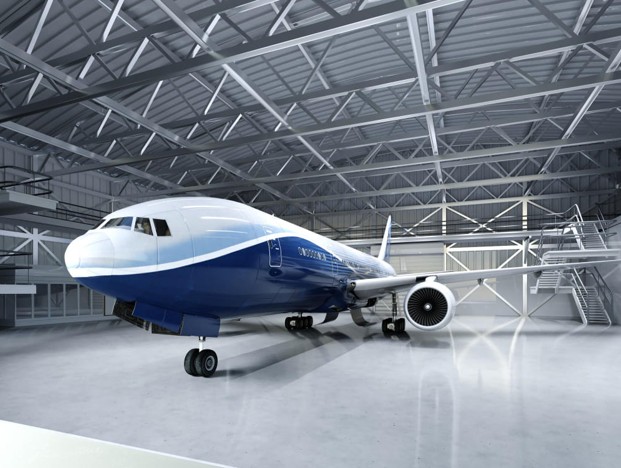
The idea of boarding an electric airplane still sounds slightly futuristic to a lot of people. There is something deeply ingrained about the roar of jet engines, the smell of aviation fuel, and the assumption that flying simply has to consume massive amounts of energy. Air travel has always carried a certain heaviness with it, both physically and environmentally. But the conversation is changing.
You can already see the shift happening quietly in the background. Engineers are testing electric aircraft prototypes. Airlines are exploring short-haul electric routes. Investors are pouring money into aviation startups that, a decade ago, many people would have dismissed as unrealistic experiments.
And honestly, what makes commercial electric aviation so interesting is not just the technology itself. It is the fact that the industry is trying to reinvent one of the hardest transportation challenges on Earth while still maintaining safety, reliability, and economic viability all at once. That is not a small task.
What Commercial Electric Aviation Actually Means
Commercial electric aviation refers to aircraft powered fully or partially by electricity instead of relying entirely on traditional jet fuel.
There are different approaches currently being explored:
-
Fully electric aircraft powered by batteries
-
Hybrid-electric aircraft combining fuel and electric systems
-
Hydrogen-electric propulsion concepts
-
Smaller commuter aircraft designed for regional routes
At the moment, most commercial electric aircraft are aimed at shorter distances rather than long international flights. Battery technology still has limitations, especially when it comes to energy density and weight. That is the core challenge the industry keeps running into.
Aviation demands enormous amounts of energy, and batteries are heavy. Every extra kilogram matters when an aircraft is trying to stay airborne efficiently. Cars can carry heavy battery packs relatively easily. Airplanes operate under a completely different set of physics and safety requirements. Still, progress is happening faster than many expected.
Why Industry Is Taking Electric Flight Seriously
Environmental pressure is a huge reason behind the growing interest in electric aviation. The aviation industry contributes a significant share of global carbon emissions, and unlike some sectors, reducing those emissions is incredibly difficult. Commercial airlines cannot simply stop operating while waiting for perfect technology to arrive.
That is why electric and hybrid systems have become such important areas of research. I came across Roots Analysis and they mentioned that this market is “The commercial electric aircraft market, valued at USD 86 million in 2024, is projected to grow to USD 113 million in 2025 and USD 984 million by 2035, representing a CAGR of 21.67% during the forecast period.”
Those numbers may still seem small compared to the broader aviation industry, but they reflect growing confidence that electric aviation could eventually become a meaningful part of commercial transport. And honestly, once major manufacturers and airlines start investing seriously in a technology, it usually means they see long-term potential beyond the headlines.
The Quiet Appeal of Electric Aircraft
One thing people often overlook is how different electric aircraft could feel compared to traditional planes. Electric propulsion systems are significantly quieter.
That might sound like a minor detail until you think about airports located near residential areas. Noise pollution has been a long-standing issue around airports worldwide. Quieter aircraft could potentially reshape how communities experience air travel infrastructure.
Pilots who have flown electric prototypes often describe the experience as unusually smooth and responsive. Some compare it to the difference between driving a traditional gasoline car and an electric vehicle. The operation feels cleaner and calmer. There is something psychologically interesting about that shift too.
Modern transportation has conditioned people to associate power with noise. Electric systems challenge that expectation.
The Biggest Problem Is Still Battery Technology
As exciting as commercial electric aviation sounds, battery limitations remain the industry’s biggest obstacle. Current battery technology simply does not store enough energy efficiently for long-haul commercial flights carrying hundreds of passengers. A battery powerful enough to support larger aircraft often becomes too heavy to make the flight economically practical.
That creates a difficult balancing act. Engineers are trying to improve battery density, charging speed, thermal management, and overall efficiency simultaneously. Progress is happening, but aviation standards are incredibly strict for good reason.
Nobody wants shortcuts in aircraft safety. This is why many experts believe hybrid-electric systems may dominate before fully electric long-distance aircraft become realistic. Hybrid approaches allow companies to reduce fuel usage gradually while current battery technology continues improving. In many ways, commercial electric aviation feels less like a sudden revolution and more like a slow transition phase.
Regional Flights Could Change First
The most realistic near-term opportunity for electric aircraft may be regional travel. Short commuter routes between nearby cities require less range, making them more suitable for current battery capabilities. These smaller routes are also often less profitable for traditional airlines because fuel and operational costs remain high relative to ticket prices.
Electric systems could potentially reduce some of those operating expenses over time. Imagine short flights operating more quietly, with lower emissions, and potentially lower maintenance costs due to fewer moving mechanical parts. That possibility is attracting serious attention.
There is also growing interest in electric air taxis and urban air mobility projects, though some of those concepts still feel a bit overly ambitious at the moment. The technology is advancing, but public infrastructure and regulatory systems will need time to catch up.
Infrastructure Is a Bigger Challenge Than People Realize
Building electric aircraft is only part of the equation. Airports themselves would require major infrastructure upgrades to support widespread electric aviation. Charging systems, energy storage facilities, grid capacity improvements, and maintenance procedures would all need significant investment.
That transition will not happen overnight. There are also operational questions airlines still need to solve. Charging turnaround times, route planning, weather impacts, and emergency protocols all become more complex with new propulsion systems.
Aviation is one of the most safety-sensitive industries in the world, which means innovation moves carefully and deliberately. That caution can feel frustrating at times, but honestly, it is probably necessary.
Conclusion
Commercial electric aviation sits at an interesting crossroads between optimism and realism. The potential benefits are hard to ignore. Lower emissions, quieter aircraft, reduced fuel dependency, and cleaner regional travel all sound incredibly appealing. At the same time, the technical and infrastructure challenges remain substantial.
Still, what makes this industry fascinating is that progress is no longer hypothetical. Electric aircraft are flying. Testing is happening. Investment is growing. The conversation has moved beyond science fiction and into practical engineering.
And perhaps that is the most important shift of all. Commercial electric aviation may not completely replace traditional air travel anytime soon, but it is steadily proving that the future of flight does not have to look exactly like the past.